Illuminating Digital Design: The Strategic Value of the Table Lamp Icon in Modern Visual Communication
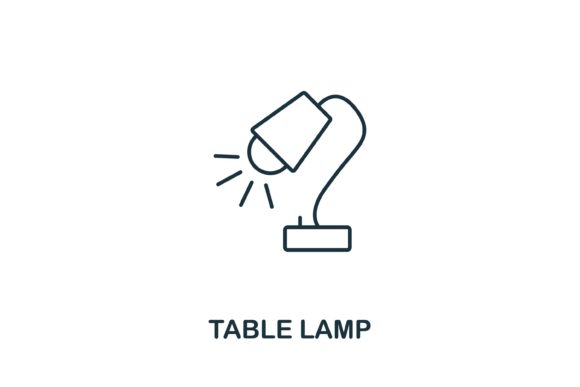
In the expansive ecosystem of digital design and visual communication, specific symbols carry weight far beyond their literal representation. Among these, the Table Lamp has emerged as a versatile and potent asset within office tools collections. While physically it represents a source of localized light, in the digital realm, the Table Lamp icon serves as a sophisticated metaphor for insight, focus, comfort, and intellectual clarity. For professionals, creators, entrepreneurs, and marketers navigating an increasingly saturated visual landscape, understanding how to leverage this simple line vector graphic is not merely an aesthetic choice but a strategic communication decision.
The availability of high-quality, editable assets—specifically those provided in both EPS and JPG formats—has democratized access to professional-grade symbolism. However, possessing the file is only the first step. The true value lies in understanding why this particular symbol resonates with contemporary audiences and how it aligns with broader shifts in business, technology, and lifestyle trends. As we move away from sterile corporate imagery toward more human-centric design languages, the Table Lamp icon bridges the gap between functional utility and emotional connection.
The Semiotics of Light in Professional Contexts
To utilize the Table Lamp icon effectively, one must first understand what it signifies in the current cultural zeitgeist. Historically, lightbulbs represented generic "ideas." However, the overhead lightbulb often connotes a sudden, perhaps chaotic, flash of inspiration or industrial manufacturing. In contrast, the Table Lamp suggests something more deliberate, personal, and sustained. It implies a workspace, a study, or a moment of focused attention. It is the lighting of deep work rather than the flash of a fleeting thought.
This distinction is critical for modern businesses. We are currently witnessing a shift in consumer and employee expectations toward authenticity and well-being. The harsh fluorescence of traditional office environments is being replaced, both physically and digitally, by warmer, more intentional aesthetics. When a brand uses a simple line Table Lamp icon in its web design or infographics, it subconsciously signals empathy and support. It tells the user that the content is designed for human consumption, not just data processing. This semantic nuance makes the icon particularly relevant for industries focused on education, mental health, remote work solutions, and creative consultancy.
Aligning with Remote Work and Hybrid Lifestyles
The normalization of remote and hybrid work models has fundamentally altered our relationship with office tools. The physical boundary between "work" and "home" has dissolved, and digital interfaces must reflect this new reality. The Table Lamp is inherently domestic yet functional. It belongs on a desk, but it also belongs in a living room. This duality makes it the perfect visual anchor for software platforms, HR portals, and productivity apps targeting the modern workforce.
For entrepreneurs and freelancers building personal brands, this icon helps soften the technical edge of digital services. A financial advisor using a Table Lamp symbol in their newsletter template communicates guidance and personalized attention rather than cold calculation. Similarly, a tech startup focusing on developer experience might use the icon to represent "documentation" or "support," framing these typically dry topics as accessible and illuminating resources. The icon acts as a visual cue that reduces cognitive load, reassuring users that they are entering a space of clarity amidst the noise of digital overwhelm.
Technical Versatility: Why Format Matters
From a practical workflow perspective, the utility of a design asset is defined by its flexibility. The requirement for both EPS and JPG files addresses the distinct needs of cross-platform consistency. Understanding when and how to deploy each format is essential for maintaining professional standards.
- EPS (Encapsulated PostScript): This vector format is the industry standard for scalability. Because the Table Lamp icon in this collection is designed as a simple line graphic, the EPS file allows designers to scale the symbol to the size of a billboard or shrink it to a favicon without losing a single pixel of fidelity. Crucially, it remains fully editable. Marketers can adjust the stroke weight to match brand guidelines, change colors to fit seasonal campaigns, or combine the lamp with other vector elements to create custom composite illustrations. This editability ensures the asset grows with the business.
- JPG (Joint Photographic Experts Group): While vectors are superior for print and large-scale web design, JPGs remain vital for rapid deployment in non-design environments. Entrepreneurs drafting proposals in Word, marketers creating quick social media updates, or educators building slide decks often lack the software to open EPS files. Having a high-resolution JPG version ensures that the visual identity remains consistent even when professional design tools are unavailable. It lowers the barrier to entry for team members who need to maintain brand cohesion without specialized training.
The Rise of Minimalist Line Art in UI/UX
The specific aesthetic of the "simple line" Table Lamp is not accidental; it is a response to current User Interface (UI) and User Experience (UX) trends. As screens become denser with information, heavy, filled-in icons can create visual clutter that fatigues the eye. Line art, by contrast, introduces negative space. It feels lighter, faster, and more modern.
In web design, this minimalism supports faster load times and cleaner responsive layouts. For infographics, line icons allow for higher data density without overwhelming the viewer. The Table Lamp’s simple geometry ensures it remains recognizable even at small sizes, which is paramount for mobile-first design strategies. When selecting icons for templates, professionals should prioritize this level of reduction. A complex, shaded lamp may look beautiful in isolation but fails in a navigation bar. The simple line variant succeeds because it prioritizes function and legibility over decorative excess, aligning perfectly with the principles of accessible and inclusive design.
Practical Applications Across Industries
The relevance of the Table Lamp icon extends across multiple verticals, driven by its association with knowledge and comfort. Observing how different sectors utilize this symbol reveals its adaptability:
- E-Learning and EdTech: Here, the lamp represents mentorship and self-directed learning. It is frequently used to denote "study mode," "reading resources," or "tutor support." Unlike a graduation cap which signifies completion, the lamp signifies the active process of acquiring knowledge, making it more engaging for ongoing educational platforms.
- Interior Design and Real Estate: Beyond the obvious connection to furniture, the icon is used to signify "staging," "ambiance," or "smart home integration." In smart home apps, a stylized table lamp is the universal control point for lighting scenes, bridging the physical product with the digital interface.
- Content Marketing and Blogging: Writers and publishers use the icon to categorize "opinion pieces," "deep dives," or "editorial picks." It distinguishes thoughtful, long-form content from breaking news or quick updates, setting reader expectations for depth and reflection.
- Corporate Wellness and HR: In internal communications, the lamp can symbolize "burnout prevention," "mindfulness," or "employee assistance programs." It reframes wellness not as a medical intervention but as a sustainable practice of maintaining one’s inner light and focus.
Future-Proofing Visual Assets
As we look toward the future of digital interaction, including augmented reality and spatial computing, the need for clear, universally understood symbols will only intensify. In 3D environments, flat icons often serve as the anchor points for interactive elements. A well-designed vector Table Lamp can be easily extruded or textured for immersive experiences while retaining its core symbolic meaning.
Furthermore, as AI-generated imagery becomes ubiquitous, hand-crafted or curated vector assets gain value through their intentionality. AI can generate a lamp, but it often struggles with the specific stylistic consistency required for a cohesive brand system. Investing in dedicated, editable vector collections ensures that your visual language remains deliberate and controlled. The Table Lamp icon, therefore, is not just a picture of a light source; it is a component of a larger strategic framework that values clarity, adaptability, and human connection.
Ultimately, the decision to incorporate the Table Lamp icon into your design toolkit is a decision to prioritize user experience. Whether you are designing a comprehensive web platform, a simple infographic, or a corporate template, this symbol offers a unique blend of warmth and professionalism. By leveraging the technical benefits of EPS and JPG formats and understanding the deeper cultural resonance of the object, creators can illuminate their message with precision and purpose. In a world that is often dark with complexity, providing a clear, well-designed light is one of the most valuable services a professional can offer.